
Infidelity
Infidelity
Infidelity is one of the deepest wounds a marriage can carry — and one of the most misunderstood. This post is about what it actually does to a person, a marriage, and what honest repair requires.
Val & Bruce
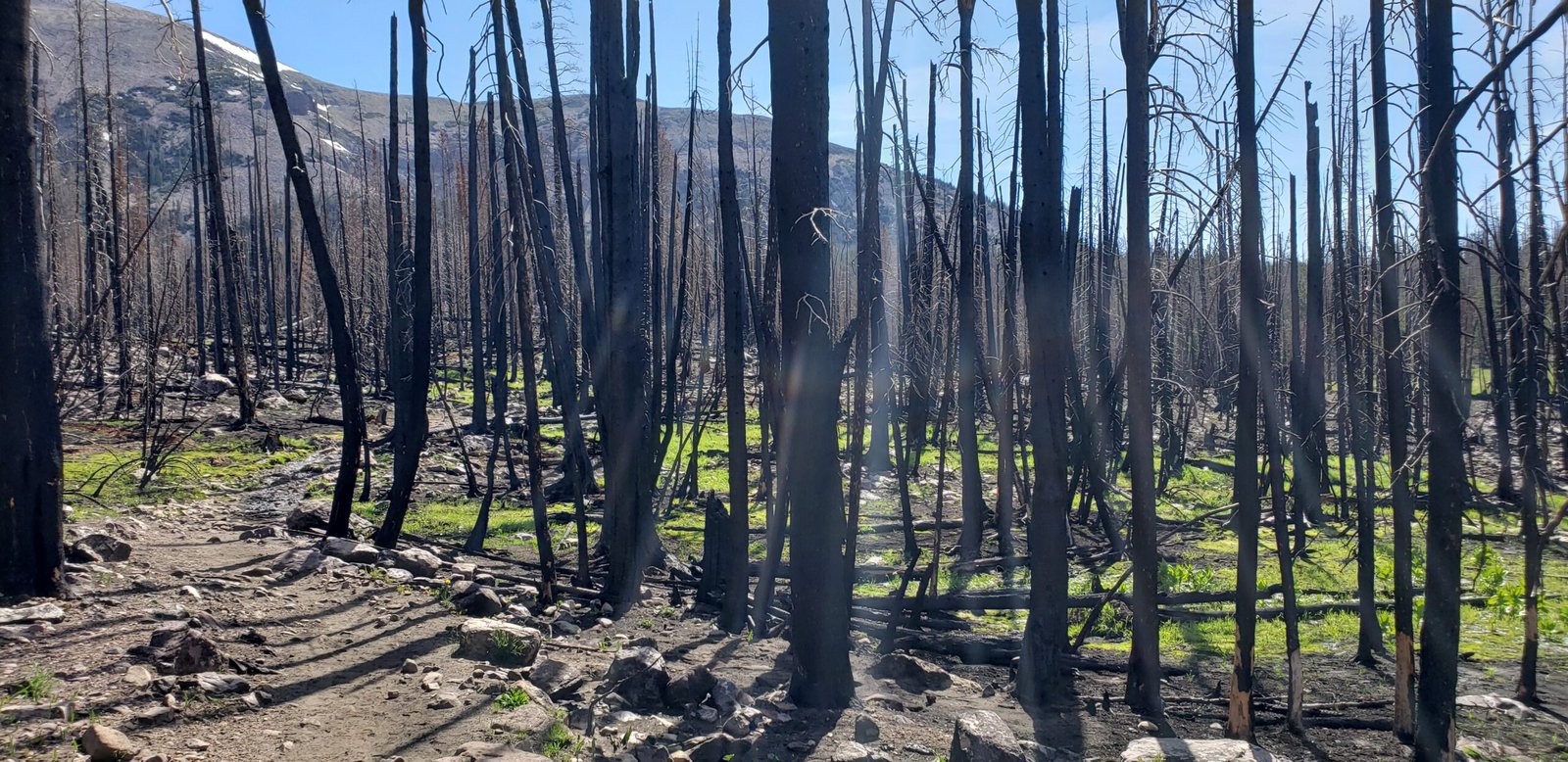
The Pit — anguish
If you are reading this, something has happened — or you fear it has, or it happened long ago and is still with you — and you are trying to make sense of what to do next. Neither of us has lived through infidelity as it is traditionally defined, and we want to say that clearly. What follows is not written from inside the experience. It is written from alongside it — from years of listening, reading, walking with friends and family members who have lived this, and from the conviction that what we have learned might help someone who is in the middle of it right now.
We hope this post gives you some language for what you are carrying, some map for the territory ahead, and some genuine hope for the possibility of healing — whatever that healing eventually looks like for your particular marriage.
Before we go further
We want to say something that we believe should be said more often in discussions of infidelity, and that we try to hold in view throughout this post.
Marriages do not always arrive at infidelity because of one person’s failure alone. An affair may be the most visible wound in a marriage that had other wounds long before — some older, some less visible. Some may have even been inflicted in the opposite direction or shared between both partners. None of this excuses the decision to be unfaithful. That decision belonged to the person who made it, and its harms are real. But the faithful spouse is not categorically the good spouse, and the unfaithful spouse is not exclusively the bad one. Both are human. Both have stories. Both have patterns they brought into the marriage and patterns they helped create inside it.
We say this for two reasons. First, because real repair — if it is going to happen — requires both partners to be willing to look honestly at themselves, not just at the one with the visible failure. Second, because labeling a person by their worst choice obscures their humanity, and obscuring someone’s humanity is itself a kind of harm. The question we try to return to, over and over, is not “what is wrong with them?” but “what happened to them, and what is happening now?”
Bruce
One of the things we have come to believe, through our own journeys and through years of watching others walk theirs, is that the categories we reach for in moments of pain — good spouse, bad spouse, victim, villain — almost never match the actual human beings involved. They are useful for a moment. They are protective. And they are almost never true.
I want to say, for the reader of this post, that the person you are in conflict with — whatever they did, whatever you did — is still a child of God, still more than the worst thing they have done, still carrying their own pains you may not see. Holding this does not require you to stay. It does not require you to minimize what was done. It only requires you to resist the temptation to flatten them into a category, because that temptation, however understandable, tends to cost you more than it costs them.
What infidelity is
Infidelity is the breaking of the exclusive intimate bond that marriage is built on. It can take two primary forms, and both are real betrayals.
Physical infidelity is what most people first picture — sexual contact outside the marriage. A one-time incident, a long affair, a pattern across many partners. Physical infidelity violates the sexual exclusivity of the marriage covenant directly and undeniably.
Emotional infidelity is the formation of an intimate emotional bond with someone outside the marriage — a bond that involves the kind of sharing, closeness, and mutual attention that belongs to the marriage. It often begins in a seemingly innocent way, a friendship or working relationship, and drifts into territory that would change if the spouse were watching. The hallmark is usually secrecy: conversations not mentioned at home, feelings not disclosed, a parallel intimate life conducted in the spaces between.
These two forms often overlap. Many physical affairs begin as emotional ones. Many emotional affairs stop just short of physical contact but produce all the same devastation in the marriage because what has been given to the outside person — attention, vulnerability, longing, care — is precisely what the spouse needed and was not receiving.
We want to say something clearly, because our culture often treats it as an open question. Emotional affairs are real betrayals. The betrayed spouse is not overreacting for being devastated. The absence of physical contact does not mean the absence of infidelity. If you are carrying pain from an emotional affair and have been told — by your spouse, by friends, by yourself — that it was “not that bad because nothing happened,” we want you to know that something did happen. What happened was a breach of trust, an investment of intimate energy somewhere else, and a secret life that ran alongside yours. That is real, and your pain is the appropriate response to it.
Different people experience these two forms differently. Some feel the physical betrayal more sharply. Others feel the emotional betrayal more sharply. Both responses are legitimate. Your pain is not a referendum on whether what happened was serious — it tells you about what you were holding most sacred in the relationship.
A brief note: some readers may be dealing with what looks like infidelity but is actually shaped by addiction — chronic use of pornography, sex addiction, patterns of compulsive behavior that extend across years. The dynamics there have their own shape. If that is closer to your situation, our post on addiction may be more useful than this one, though much of what follows still applies.
What discovery does
If you are reading this in the first days or weeks after discovering infidelity, you are very likely in a state of acute trauma. Your body is responding the way a body responds to any catastrophic threat — hypervigilance, sleep disruption, appetite changes, intrusive thoughts, waves of grief that feel like physical pain. You may cry without warning. You may be unable to cry at all. You may feel numb, then enraged, then tender, then frozen, all in the space of an hour. You may feel like you are losing your mind.
You are not losing your mind. What you are experiencing has a name: betrayal trauma. It is a specific form of post-traumatic response that arises when the person who caused your pain is the person you most depended on for safety. Your nervous system does not have a clean script for this — so it is running every script at once.
In the earliest days after discovery, please go gently with yourself. This is not the time to make permanent decisions. It is not the time to extend quick forgiveness in order to make the shaking stop. It is not the time to tell everyone. It is the time to find a small circle of safe people, find a therapist trained in betrayal trauma, eat, sleep as you can, and let your body begin to absorb what it is now carrying.
Can marriages survive infidelity?
This is the question almost every betrayed spouse asks in the first days, and the honest answer matters.
Yes, many marriages survive infidelity. Some of them become deeper and more honest than they were before — not because the infidelity was a blessing, but because the crisis forced a level of truth-telling, humility, and repair that the marriage had been avoiding for years. Researchers who study these outcomes have a term: post-traumatic growth. It is real. It is not guaranteed, but it is real.
And — some marriages do not survive infidelity, and some of them probably should not. Where the unfaithful partner is unwilling to do the real work of repair, where infidelity is a pattern rather than a crisis, where the betrayed spouse is being asked to absorb ongoing harm in the name of forgiveness, the continuation of the marriage may be costing more than it is providing. That is a painful truth, but it is a true one.
What determines the difference is almost always the behavior of the unfaithful partner after discovery — not the severity of what they did, but what they are willing to do now. A couple navigating a terrible one-time incident with full honesty and committed repair can emerge stronger. A couple navigating something smaller but accompanied by deception, minimization, or repeated breaches is in a more difficult place.
We are not telling you what to do in your own marriage. That decision belongs to you, with the Lord, with a trained counselor, and with time. What we can do is describe what real repair looks like — so that you can recognize whether it is actually happening.
What real repair looks like
We are not experts, and we do not want to sound like we are. But there are patterns we have seen, across many marriages we have watched and learned from, that seem to distinguish couples who genuinely heal from those who do not. We offer them not as a checklist but as things worth holding in mind — a rough map, not a prescription.
Full disclosure, on the betrayed spouse’s timeline. The unfaithful partner answers questions honestly — not just once, but over and over as the betrayed spouse processes what they need to know. This is called a therapeutic disclosure, and it is usually done with a trained counselor. The unfaithful partner does not get to decide what details are “too much.” The betrayed spouse gets to decide what they need to know, and to have those questions answered truthfully.
No contact with the other person. Full, verifiable, permanent. No “just one closure conversation.” No ongoing work contact if avoidable. No friendship. This is not optional, and the unfaithful partner must be the one enforcing it — not the betrayed spouse monitoring it.
Transparency, without resentment. The unfaithful partner volunteers access to phone, email, location, finances — whatever the betrayed spouse needs to begin rebuilding trust. This is done without complaint and without treating the request as an insult. The betrayed spouse did not invent this situation; the unfaithful partner created the need for this level of transparency, and needs to carry it willingly.
Professional counseling, both individual and couples. Individual therapy for the betrayed spouse (trained in betrayal trauma). Individual therapy for the unfaithful partner (to understand what in them made this possible, not as an excuse but as prevention). Couples therapy only after both partners have individual ground to stand on.
Patience with the betrayed spouse’s timeline. Healing is not linear. There will be triggers months and years later. There will be days when the betrayed spouse seems fine and days when the pain is as fresh as the day of discovery. The unfaithful partner responds to all of these with patience, not “aren’t we past this yet?” — because the question of whether they are past it is not theirs to decide.
Genuine interior work. The unfaithful partner does the hard, often years-long work of understanding what in them allowed them to cross this line — what they were seeking, what they were avoiding, what they were medicating. Not to excuse what they did, but because without that work, sobriety alone rarely holds. A person who has not understood what drove them into an affair is a person who can drift back into one.
What real repair doesn’t look like
And — in the same spirit — there are patterns that can feel like repair but often are not. These are offered with the same caution as the list above: not as a diagnostic, but as things worth noticing if you are trying to make sense of where your marriage actually stands.
Pressure for quick forgiveness. “I said I was sorry, why can’t you move on?” “It’s been six months, aren’t we past this?” Forgiveness is not on a timetable, and pressure to forgive faster is almost always about the unfaithful partner’s discomfort, not the betrayed spouse’s healing.
Trickle truth. New details emerging slowly over weeks or months, each one swearing it’s the last one. Each new revelation restarts the trauma. Honest disclosure is complete disclosure, done once, with a counselor, as early as the unfaithful partner can manage.
Blame-shifting. “If you had been more X, I wouldn’t have done this.” “We both contributed to this.” While marital problems can predate infidelity and need their own repair, no marital problem causes an affair. The decision to step outside the marriage is the unfaithful partner’s alone.
Minimization. “It wasn’t really an affair.” “We only met a few times.” “It didn’t mean anything.” These framings exist to reduce the unfaithful partner’s discomfort. They do not reduce what happened.
Repeat patterns. One affair is a crisis. Repeated affairs suggest a pattern that professional intervention must address before any meaningful repair can proceed.
A word of caution
If you are recognizing the “not repair” patterns more than the repair ones, please know this is information about your situation, not a judgment of your marriage or your worth. Real repair is possible when both partners commit to it. When it is not happening, you need support to see that clearly, and you deserve a therapist or counselor who will help you name what you are seeing.
Understanding — not excusing — why
At some point in the aftermath of infidelity, the betrayed spouse almost always asks why? Why did this happen? What was missing? What did I do or fail to do?
We want to say two things about this question, and they are both true at the same time.
First: understanding what made an affair possible for your spouse is not your job right now, and it is not the path through. The betrayed spouse often feels pressure — from themselves, from the culture, sometimes from the unfaithful partner — to figure out “what went wrong” as if solving that puzzle will restore safety. It will not. What will restore safety, insofar as it is restorable, is the unfaithful partner’s willingness to do the interior work of understanding their own choices, and their sustained behavior over time.
Second: whatever the contributing factors were — loneliness, distance, unmet needs, a difficult season in the marriage, the temptations of a particular relationship or environment — none of those factors caused the affair. The decision to step outside the marriage belonged to one person. A marriage can have real problems and both partners can still remain faithful. A marriage can have few problems and a partner can still be unfaithful. The affair is not a referendum on the betrayed spouse’s worth, attractiveness, or adequacy.
If you are carrying the quiet question “was this my fault?” we want to answer it clearly: no. Whatever the unfaithful partner was seeking, avoiding, or medicating, they chose how to respond to those feelings. You did not make them choose it, and you could not have prevented it by being anything other than who you are.
He healeth the broken in heart, and bindeth up their wounds.
Psalm 147:3A word for the unfaithful partner
If you are reading this as the person who was unfaithful, we want to say something to you directly, and without lecture.
What you did caused deep injury to someone you promised to love. That is the truth, and no framing softens it. And — you are also still a child of God, still capable of growth, and still loved by the One who knows every part of you, including this part. The gospel offers real repentance. The gospel also offers real change, real repair, and sometimes real reconciliation. None of those are shortcuts. All of them are possible.
The single most important thing you can do right now, whatever your marriage eventually looks like, is become radically honest. With your spouse, with a counselor, with the Lord, and with yourself. Not honest in a managed way. Not honest in the places that feel safe. Honest in the places that feel most exposed. That kind of honesty is the beginning of any real becoming, and without it, no other work will hold.
Whatever you are carrying right now — shame, grief, confusion, fear — please do not carry it alone. Find a therapist. Find an ecclesiastical leader if that is part of your tradition. Find the Lord. The path back is real, and it is walked one honest step at a time.
If you are living through the aftermath of infidelity — recent or long — we want you to know that the ground you are standing on is genuinely shaking, and the shaking will not last forever. You will not always feel the way you feel today. The path through takes real help and real time, and it is walked by people no stronger than you. You are not the first to walk it, and you are not the last, and you are not alone.
— Val & Bruce
About this site
Peace After Pain is written by Val and Bruce — two people who have been through divorce and found healing on the other side. The content here is for informational and educational purposes and is not a substitute for professional advice. If you are in a difficult or dangerous situation, please seek help from a licensed counselor, your ecclesiastical leader, or appropriate authorities.
About Val & Bruce →